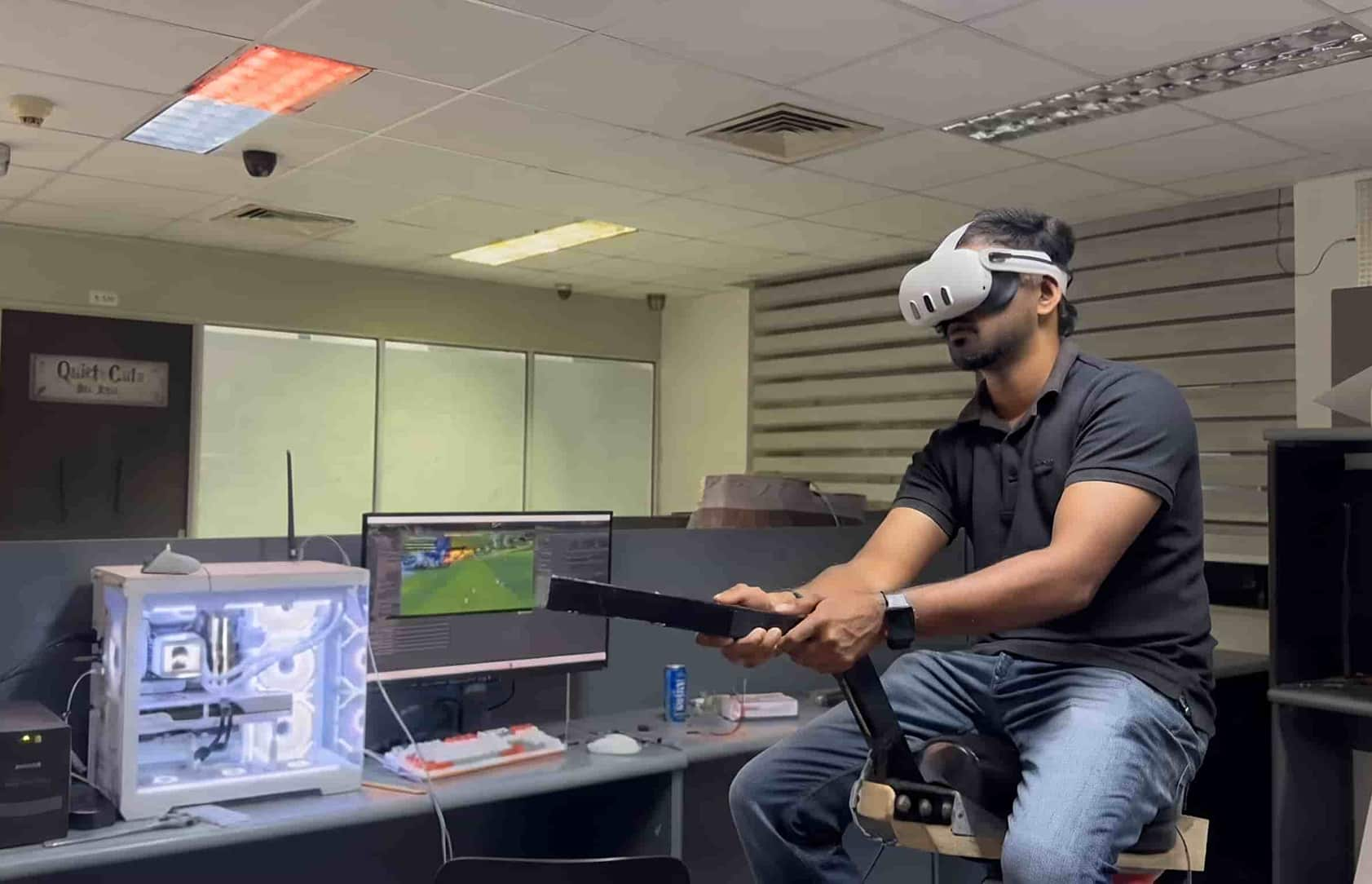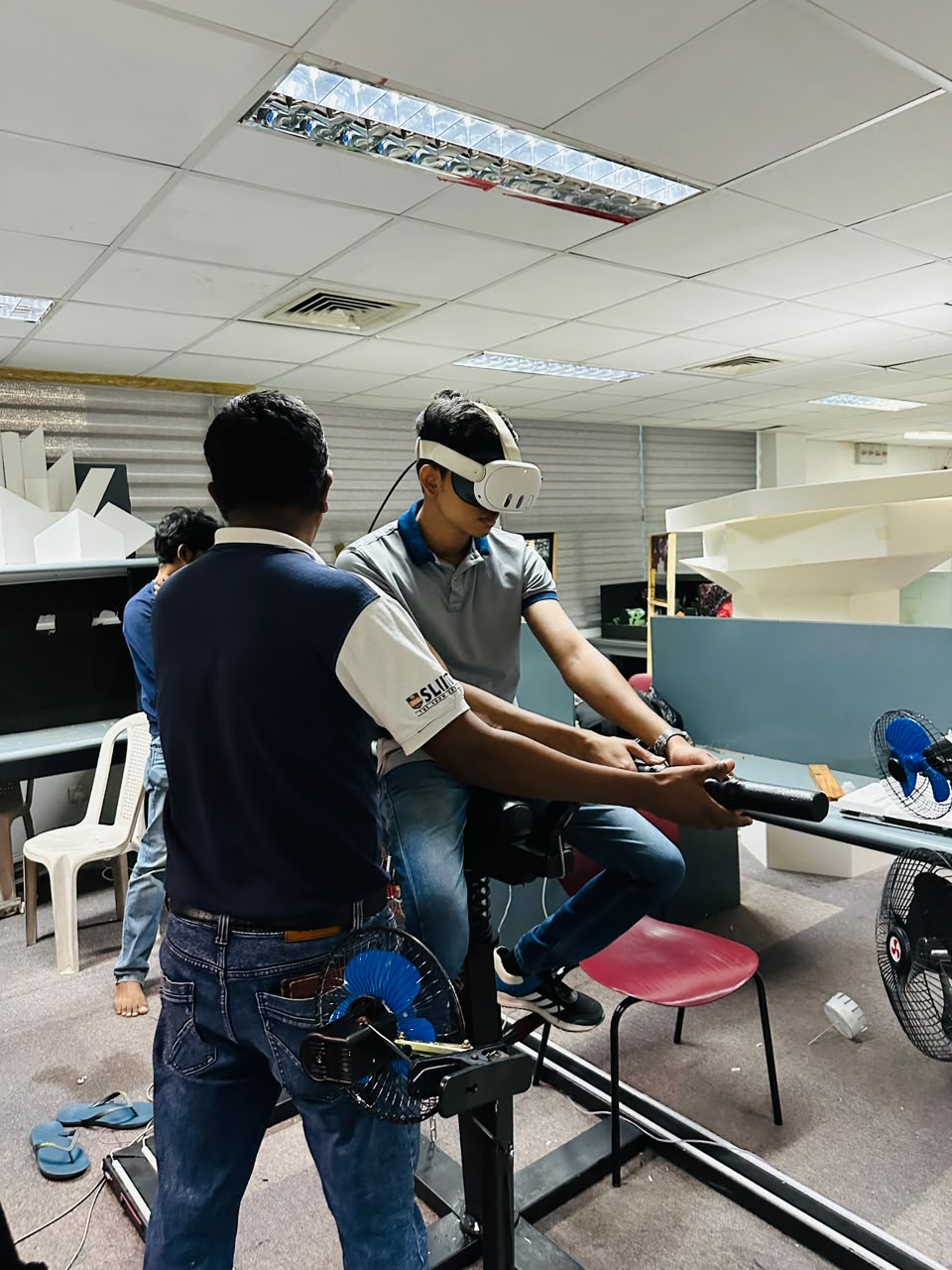
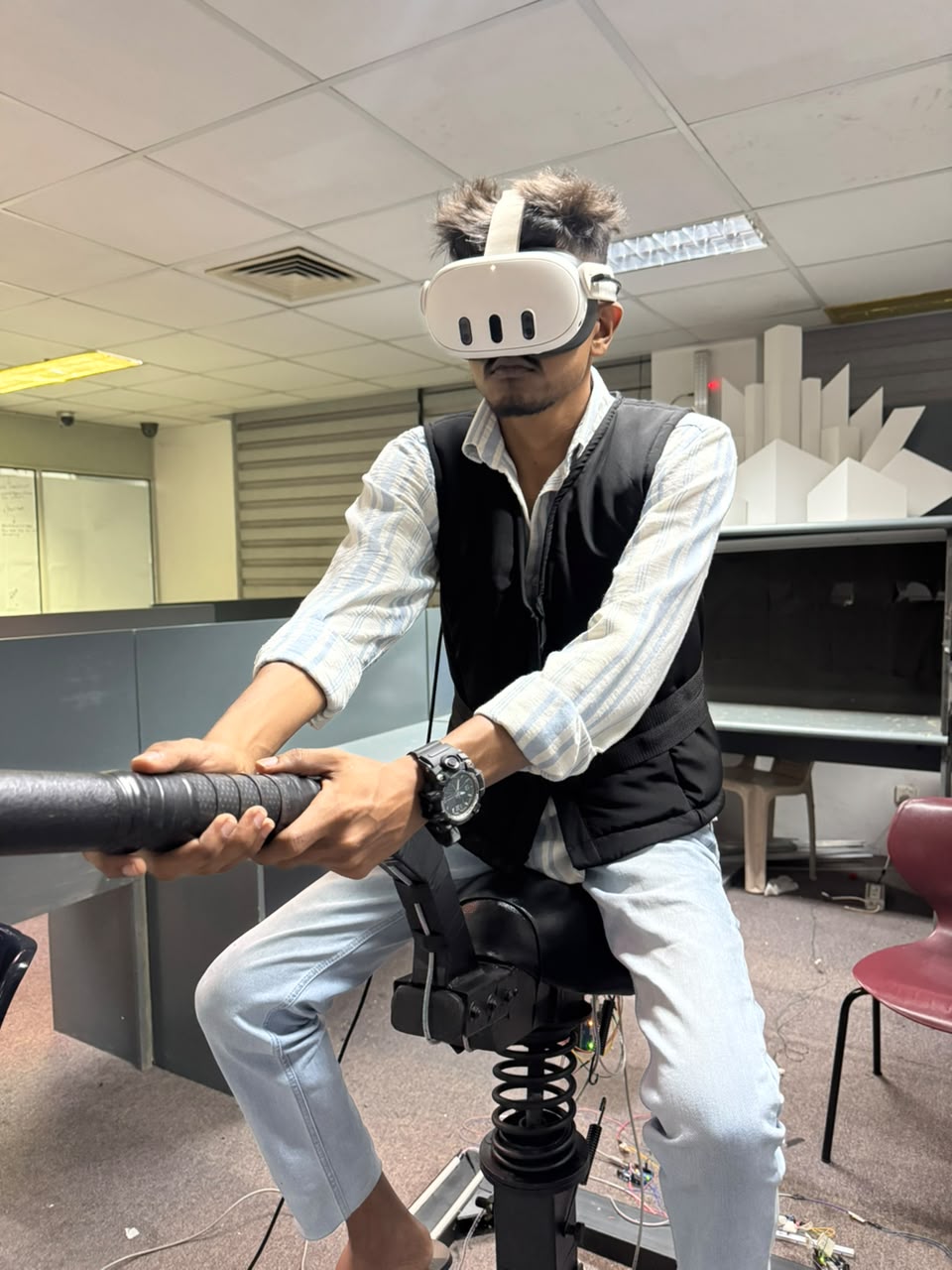
The navigation architecture incorporates precise deadzone threshold filtering to eliminate unintended micro-drifting during virtual flight maneuvers.
By establishing clean input boundaries for tilt-to-turn mechanics, the system prevents accidental trajectory shifts and maintains stable heading control. This calibration ensures that minor postural adjustments or sensor noise do not disrupt the user's flight path, resulting in a steady and reliable steering experience.
Steering Precision and Control Polish
The integration of strict deadzone thresholds directly addresses the challenges of balance and motion control in seated VR navigation.
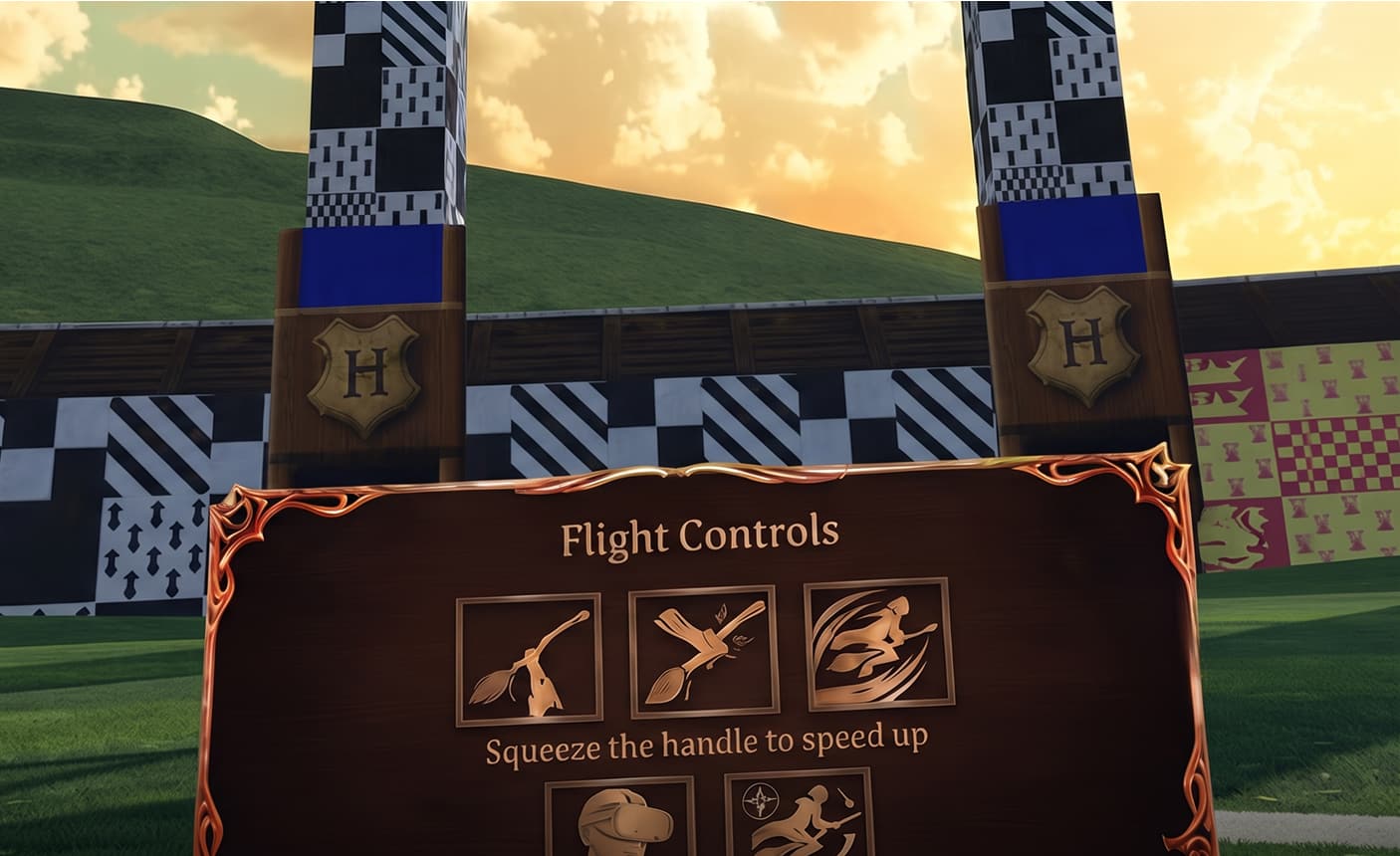
By removing unwanted jitter, the system significantly enhances trajectory accuracy and reduces user correction fatigue.
Consequently, the combination of threshold filtering and smooth interpolation provides a robust foundation for immersive, embodied flight simulation. This refined control mechanism ensures high operational stability, comfort, and performance repeatability across the entire navigation system.
Input Calibration and Threshold Filtering
The control pipeline continuously monitors body-lean and gyroscope data to separate deliberate navigation commands from subtle, involuntary body movements.
"Eliminating unintended micro-drifting during flight by applying strict deadzone thresholds to tilt-to-turn inputs."
This filtering mechanism ensures that steering responses remain smooth, predictable, and tightly bound to the user's actual intentions.
Each adjustment is precisely parsed before being translated into platform actuation and visual motion cues.
Conclusion
The steering stability subsystem highlights a critical component in achieving reliable physical-virtual interaction.
Addressing these precision challenges requires robust threshold configuration rather than raw sensor mapping. By combining clean input boundaries, error filtering, and smooth motion cueing, the platform achieves a highly responsive flight experience. This ensures high fidelity, comfort, and performance repeatability across the entire multisensory VR architecture.