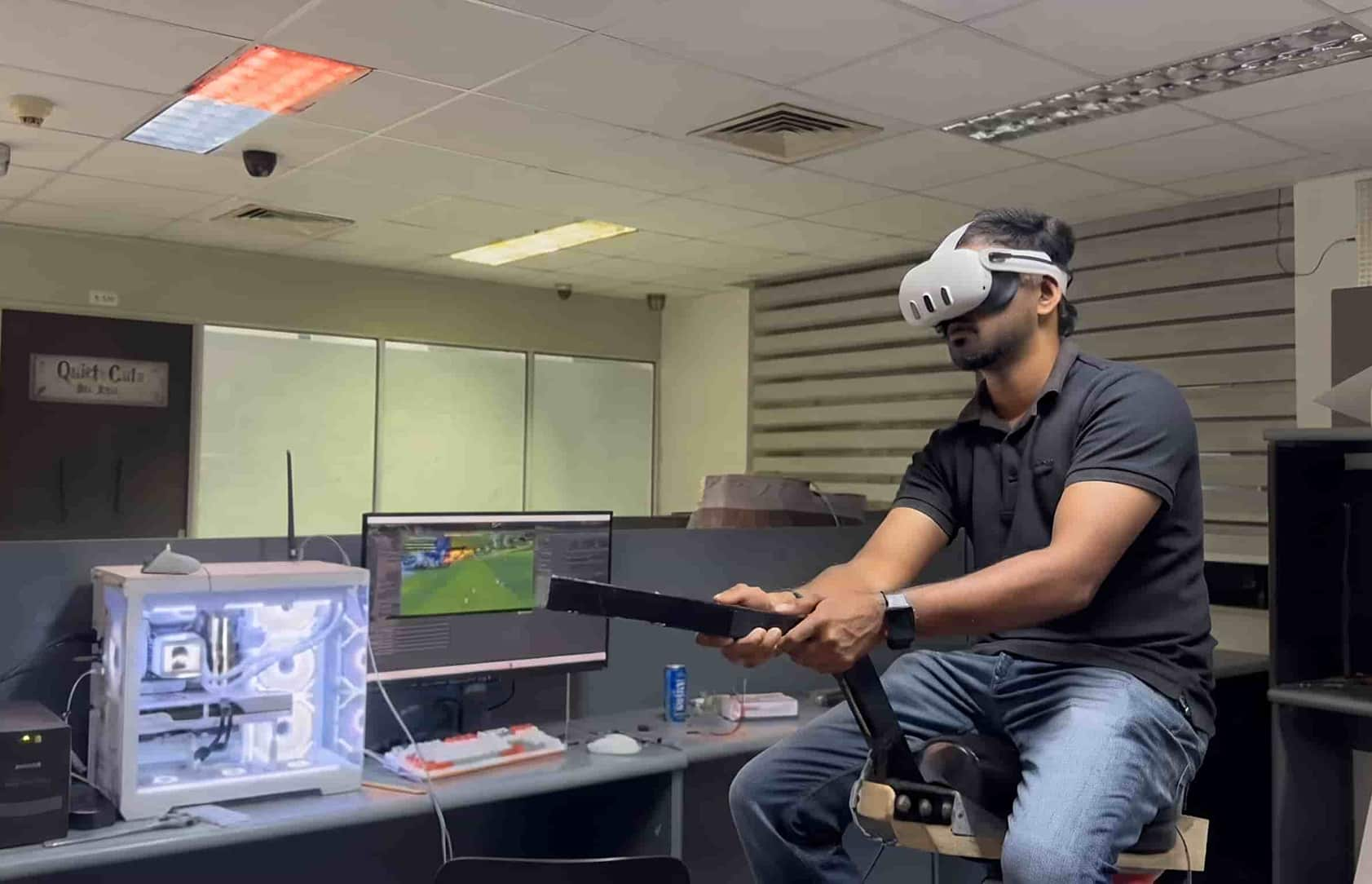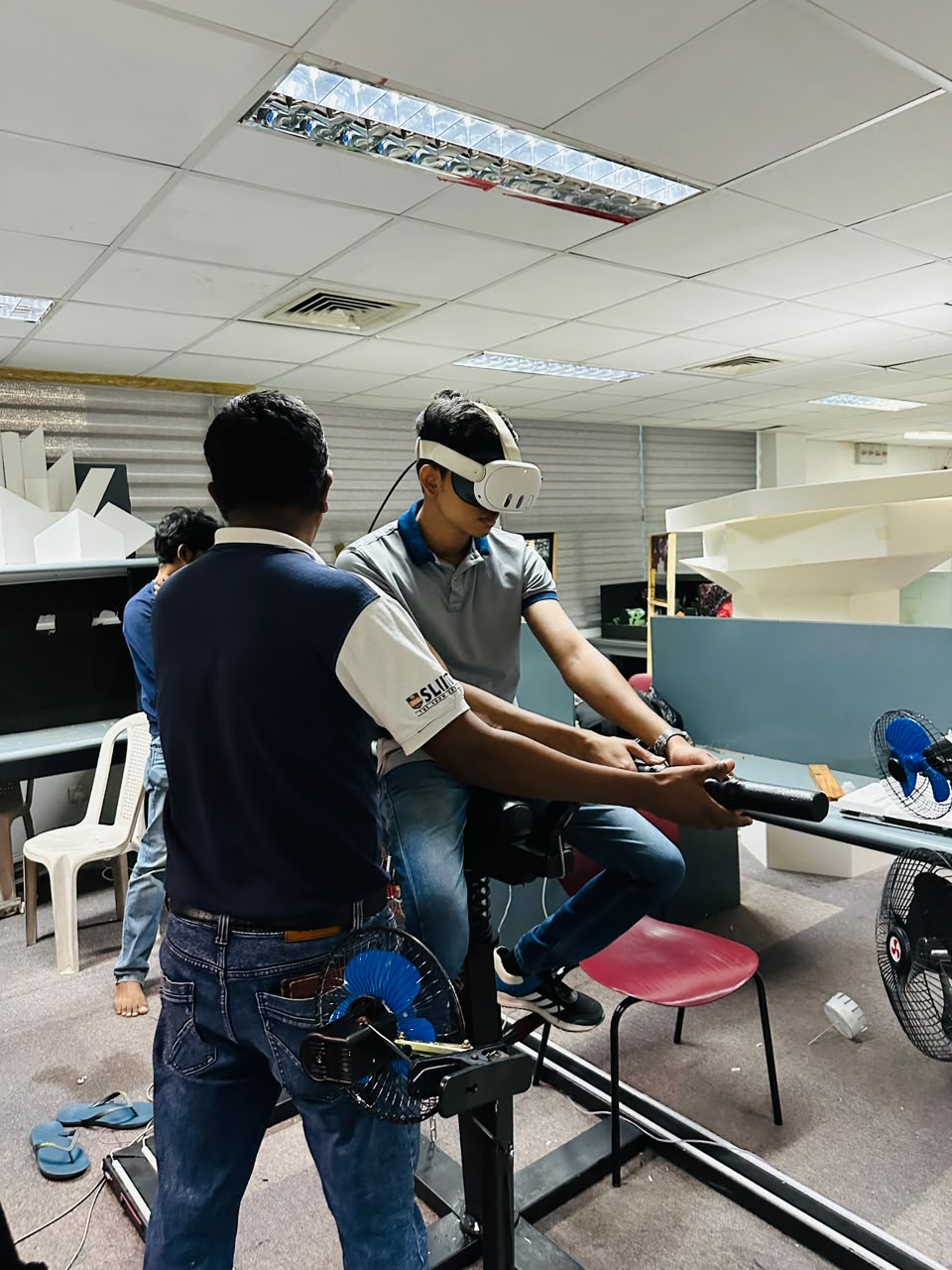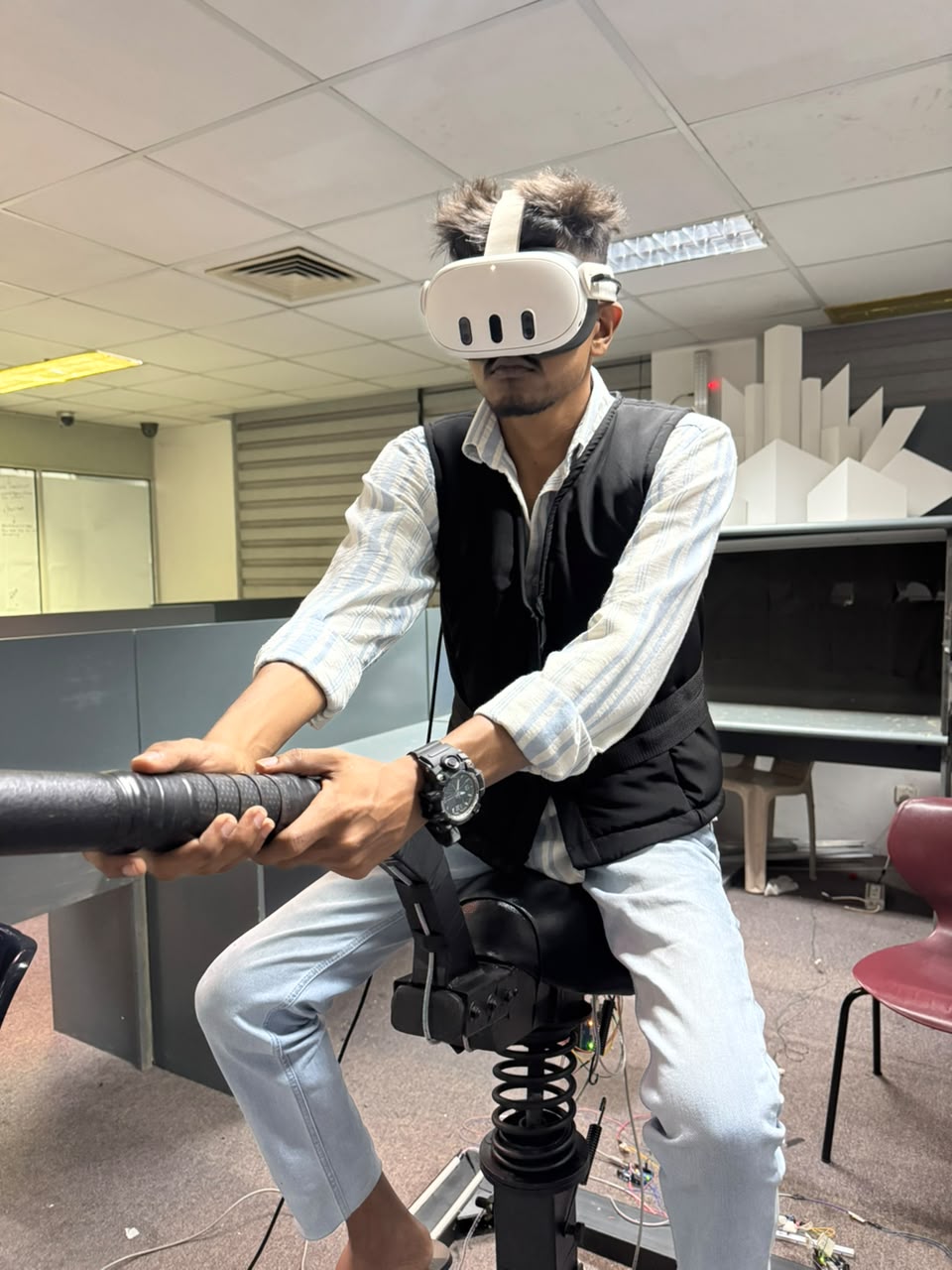
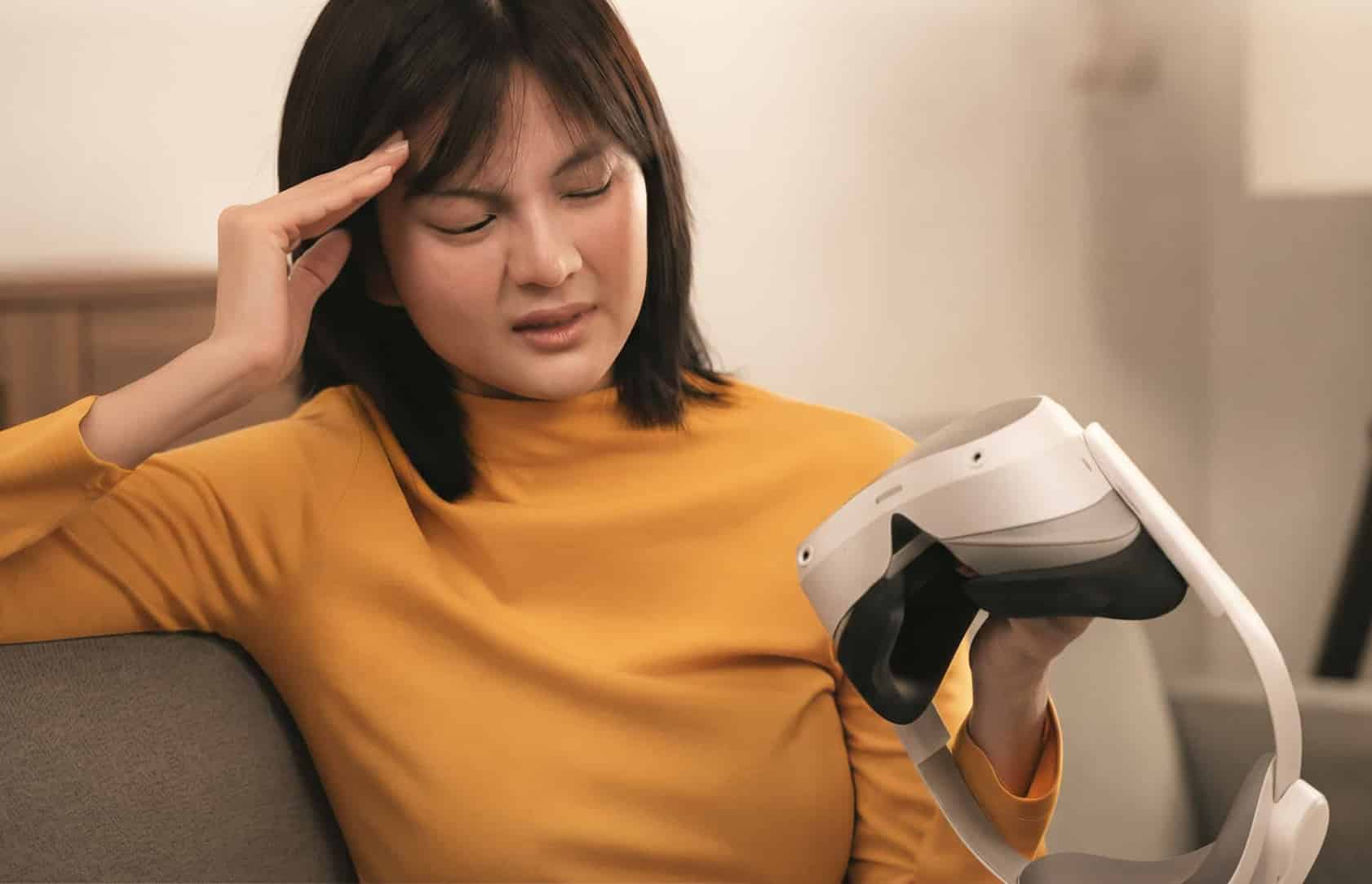
Contemporary virtual reality (VR) systems provide increasingly convincing visual and auditory experiences, yet navigation is still commonly represented with limited corresponding physical sensation.
This mismatch is especially apparent in flight-oriented experiences in which users visually perceive acceleration, turning, turbulence, altitude variation, and wind while their bodies remain comparatively static. A user may visually accelerate, descend, turn sharply, or travel through turbulent air while receiving little corresponding vestibular, tactile, or environmental stimulation, creating a significant sensory disconnect.
Lack of Physical Realism and Embodied Interaction
Contemporary virtual reality systems provide increasingly convincing visual and auditory experiences, yet navigation is still commonly represented with limited corresponding physical sensation.
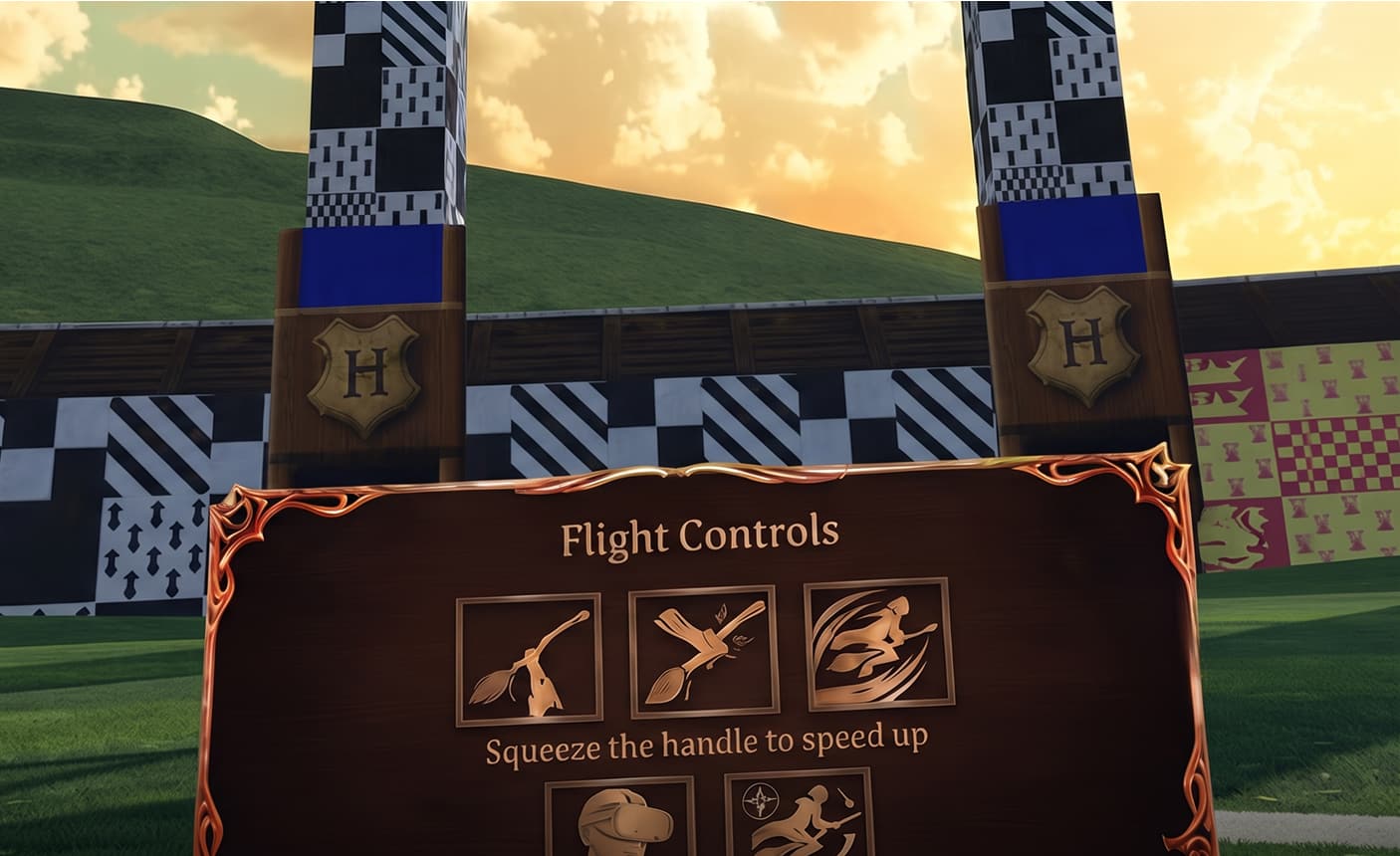
This mismatch is especially apparent in flight-oriented experiences in which users visually perceive acceleration, turning, turbulence, altitude variation, and wind while their bodies remain comparatively static.
A user may visually accelerate, descend, turn sharply, or travel through turbulent air while receiving little corresponding vestibular, tactile, or environmental stimulation, creating a significant sensory disconnect.
Sensory Disconnect and Cybersickness
Such sensory inconsistencies are relevant not only to perceived realism but also to the broader problem of discomfort and cybersickness in VR.
"While existing motion platforms can reproduce some of these cues, many are application-specific or mechanically complex, whereas lightweight haptic systems often provide isolated feedback modalities."
Consequently, relying exclusively on conventional handheld joysticks or static seating ruins the feeling of authentic, embodied flight.
This severely limits the usability, comfort, and realism of immersive navigation and training systems.
Conclusion
The research problem highlights a critical gap in bridging visual traversal with physical embodiment.
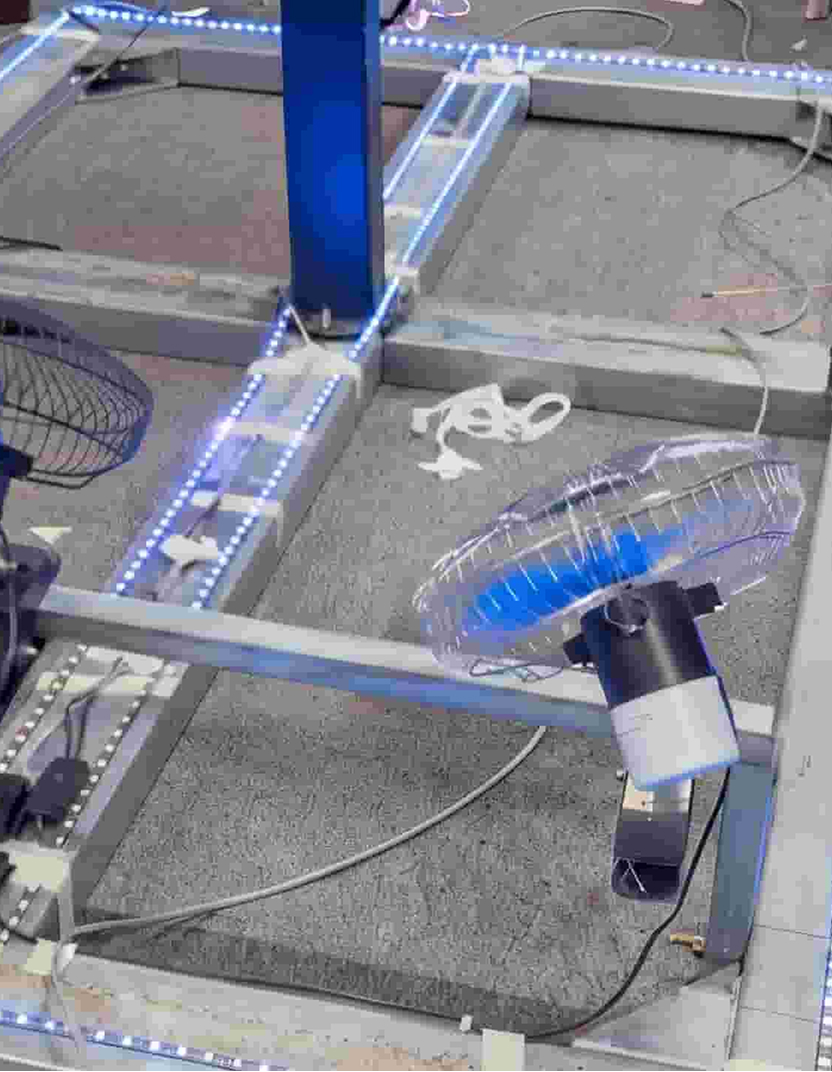
Addressing these limitations requires an integrated, modular reconfigurable platform rather than an isolated accessory. By combining body-lean controls, motion actuation, and environmental feedback, the system targets a comprehensive solution for immersive flight simulation.