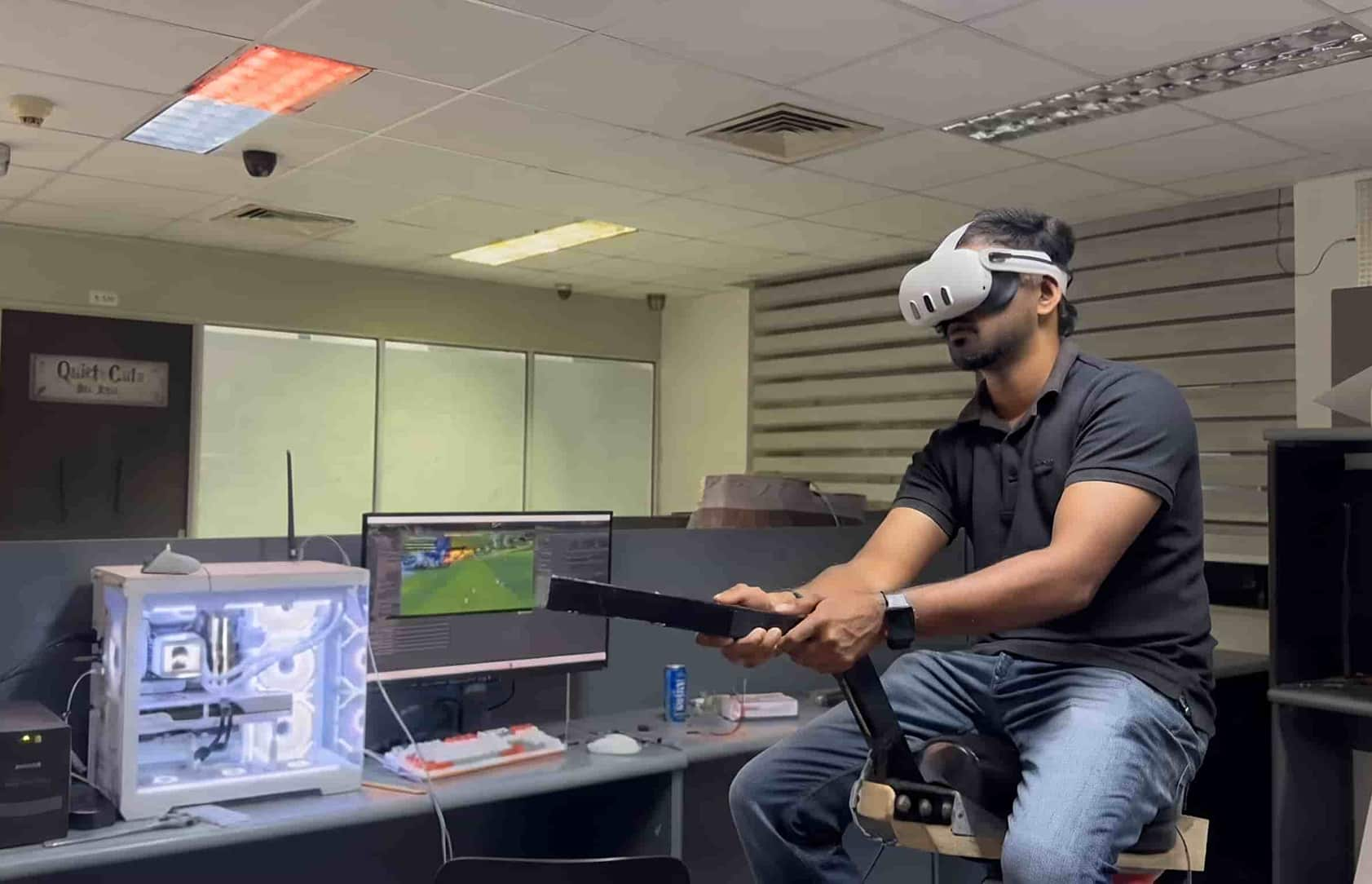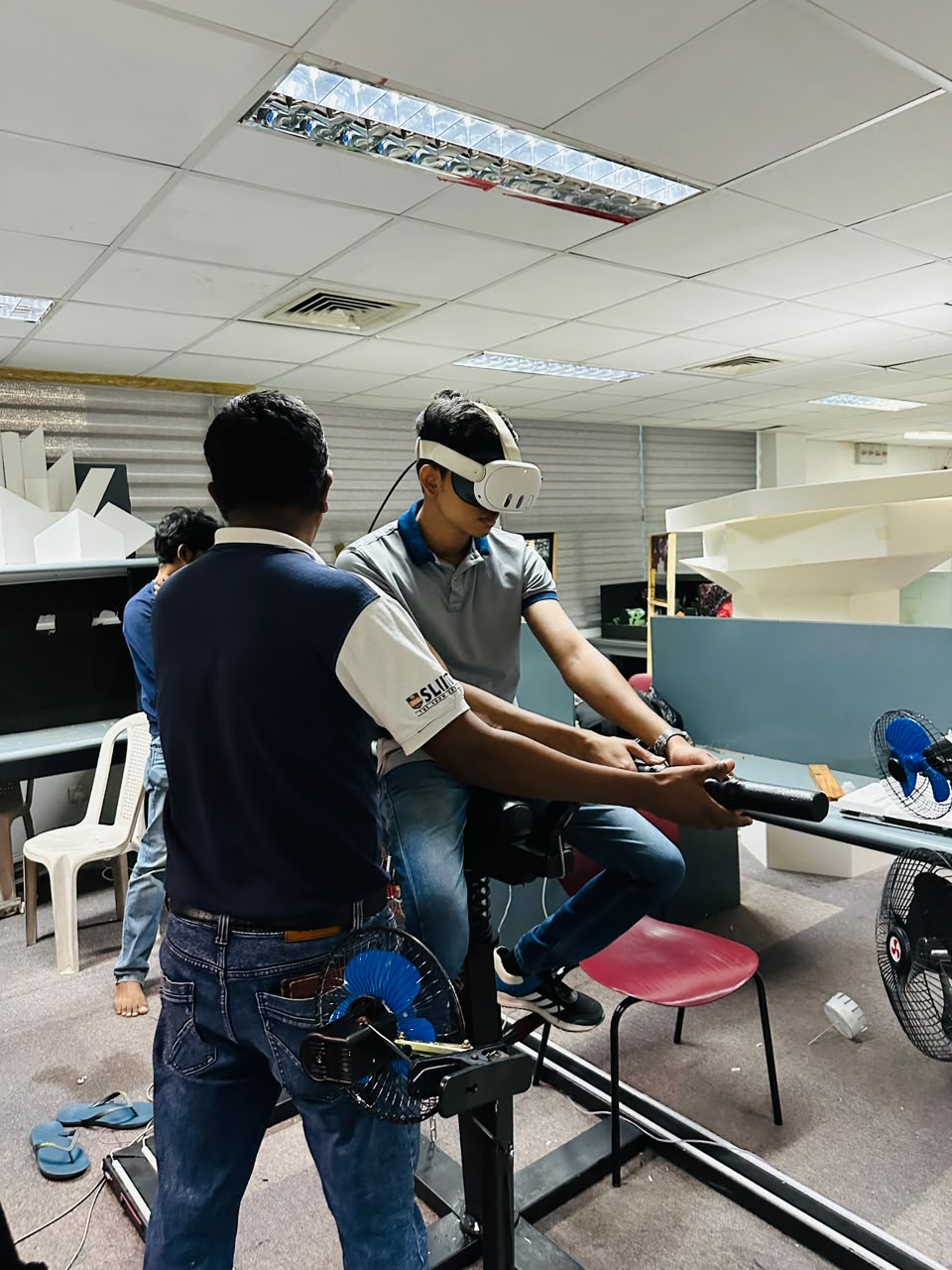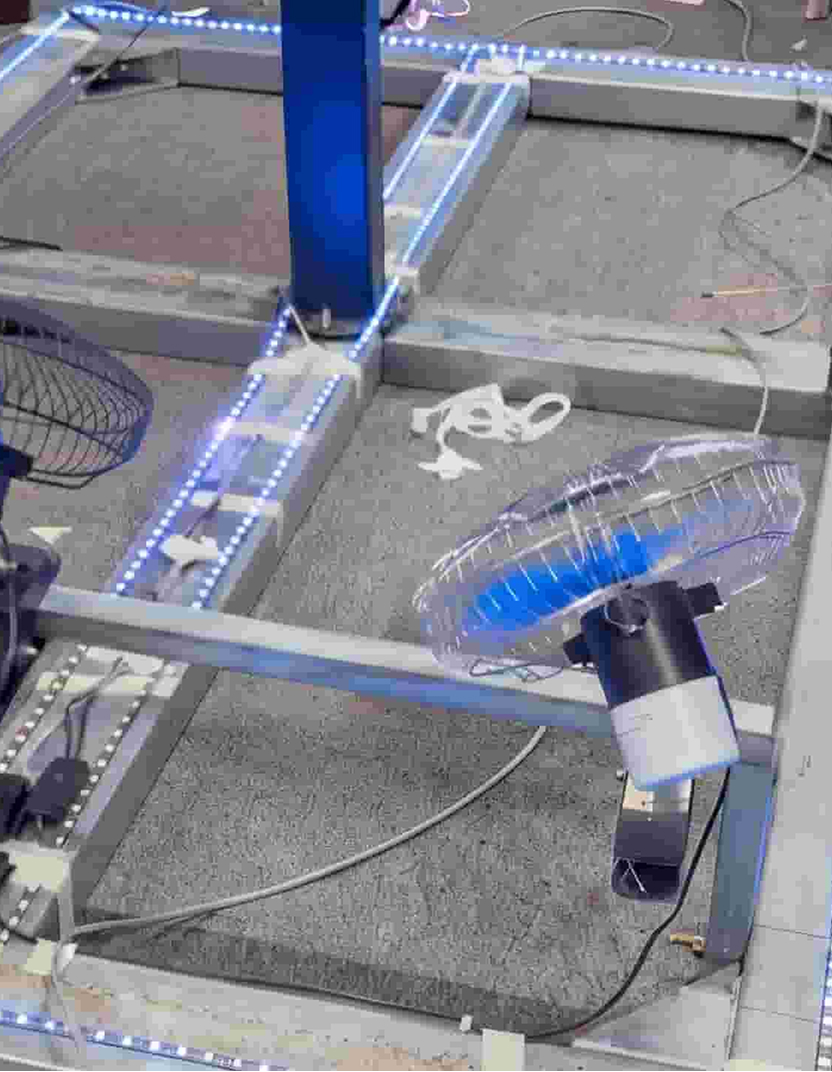
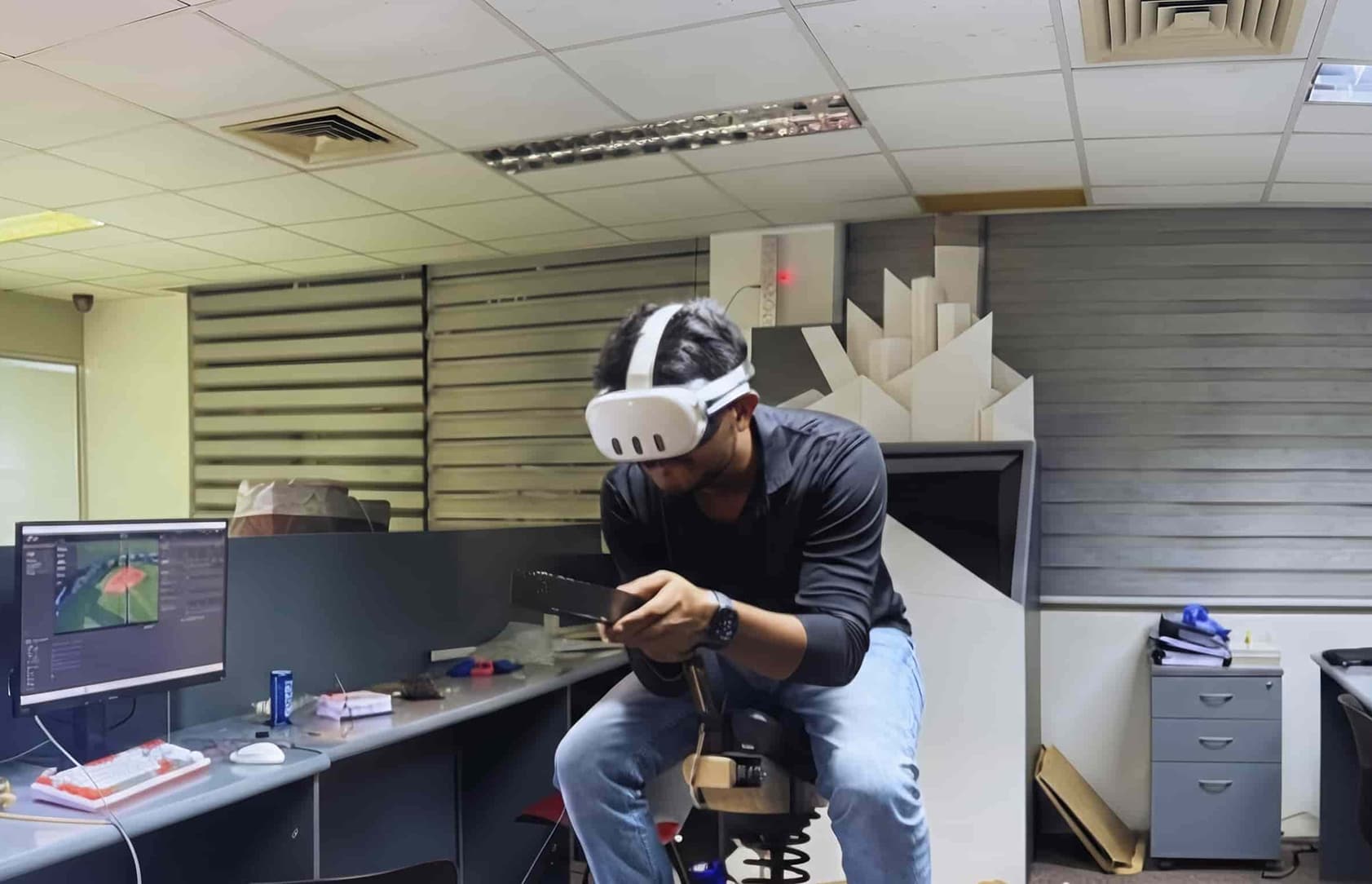
The research framework establishes an extensible and reconfigurable architecture designed to support future modular expansions, including upcoming wearable haptic modules and multi-theme simulation environments.
Beyond current broom-based aerial navigation, the modular baseline enables seamless adaptation to diverse virtual scenarios such as dragon-riding or alternative fantasy flight experiences. This flexibility ensures that the platform is not restricted to a single vehicle metaphor, providing a lasting foundation for ongoing simulation research and hardware iterations.
Intellectual Property and Future Expansion
The core innovations in synchronized motion cueing, pressure-based steering, and modular hardware integration present significant intellectual property and commercial licensing potential.
Future development phases will prioritize technical characterization of latency, feedback mapping, and safety protocols prior to formal human-subject evaluations.
Consequently, the combination of reconfigurable architecture, scalable theme adaptation, and robust commercial positioning establishes a sustainable roadmap for both academic research and industry adoption.
Commercial Viability and Market Scalability
The platform's compact footprint, low hardware complexity, and rapid session throughput make it highly viable as a location-based immersive VR attraction for commercial venues.
"Viable as a location-based immersive VR attraction suitable for arcades, theme parks, and high-traffic entertainment hubs looking for high-throughput attraction rigs."
Targeting young gamers, fantasy adventure fans, and experience-seeking groups, the system delivers high replay value compared to standard controller-based setups.
Commercial deployment extends across VR arcades, gaming cafés, cinema lobbies, and mall activations, offering strong revenue potential through per-session pricing and modular theme packages.
Conclusion
The extensible framework bridges the gap between academic prototyping and real-world commercial viability in virtual reality motion systems.
By decoupling physical actuators from fixed vehicle templates, the platform achieves long-term adaptability for diverse entertainment and training applications. Through ongoing refinement, rigorous safety protocols, and modular expansion, the project provides a comprehensive blueprint for next-generation multisensory VR navigation.