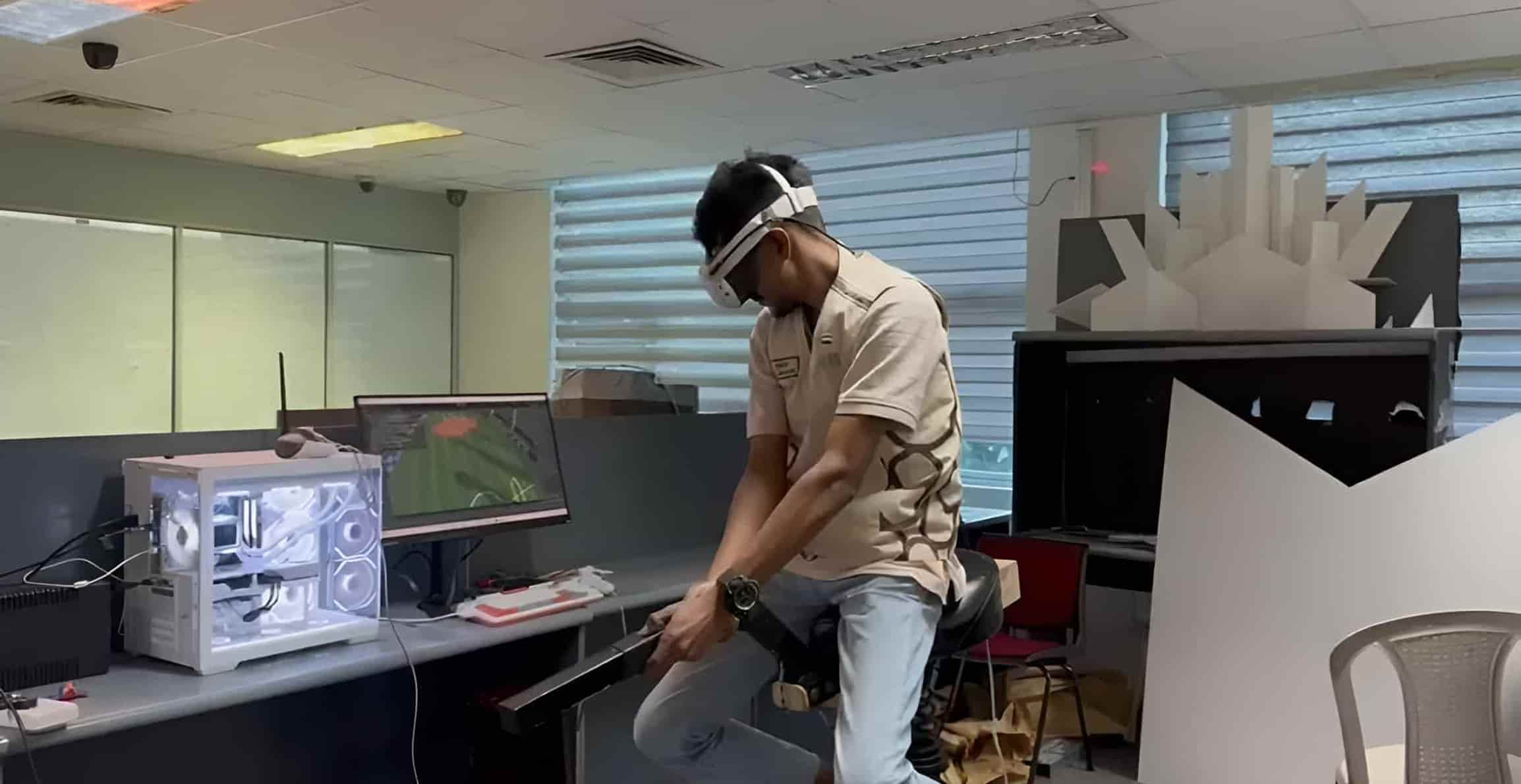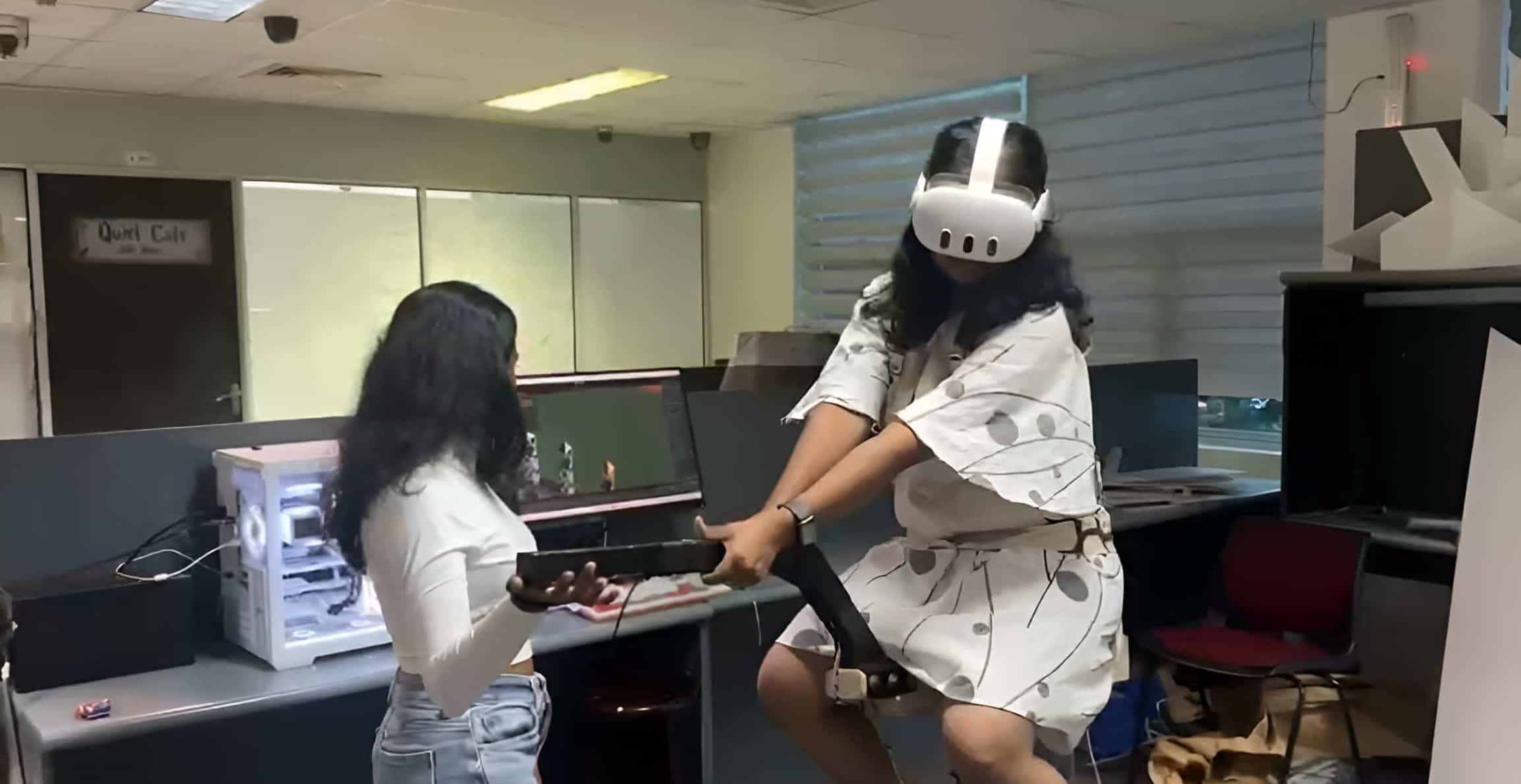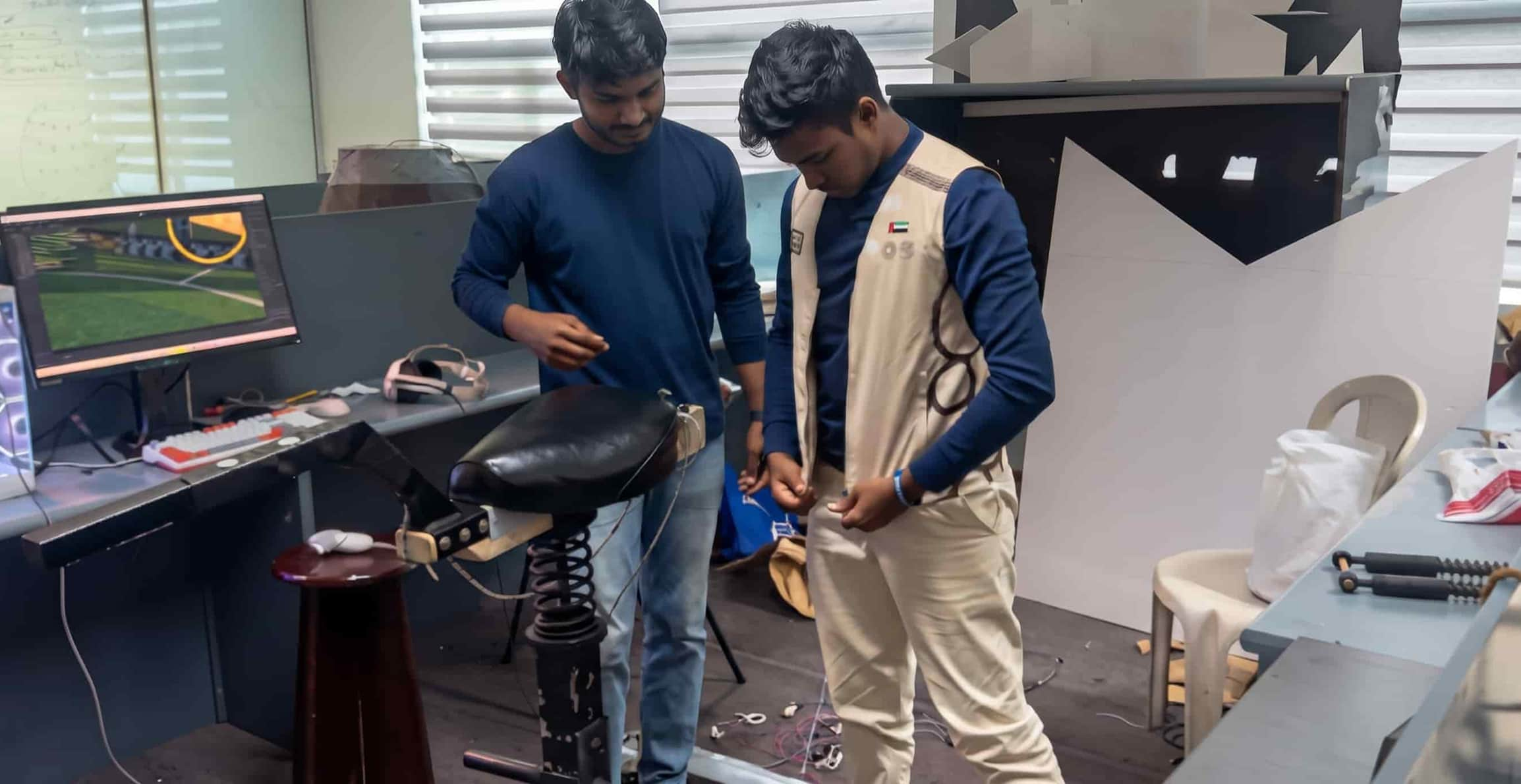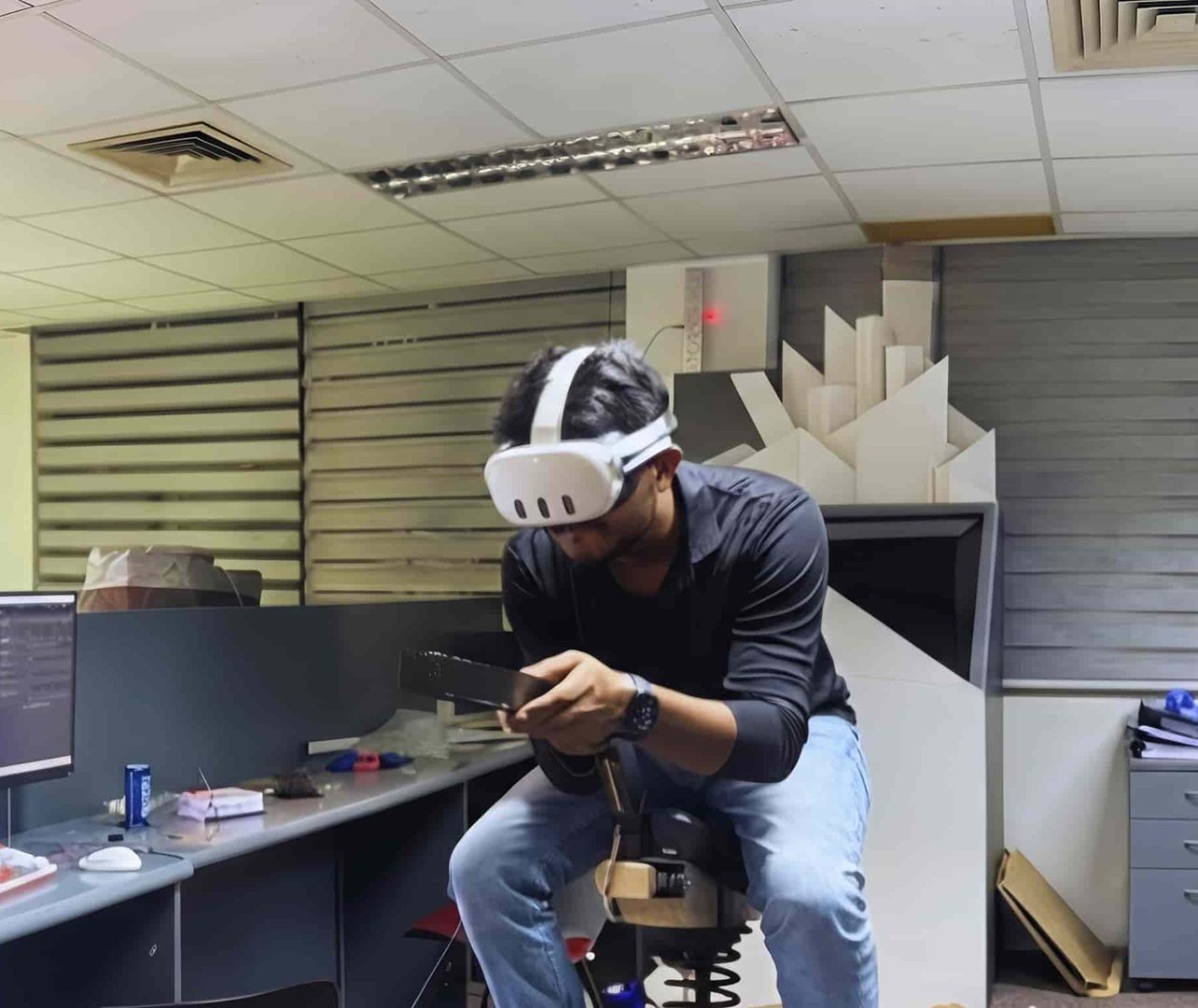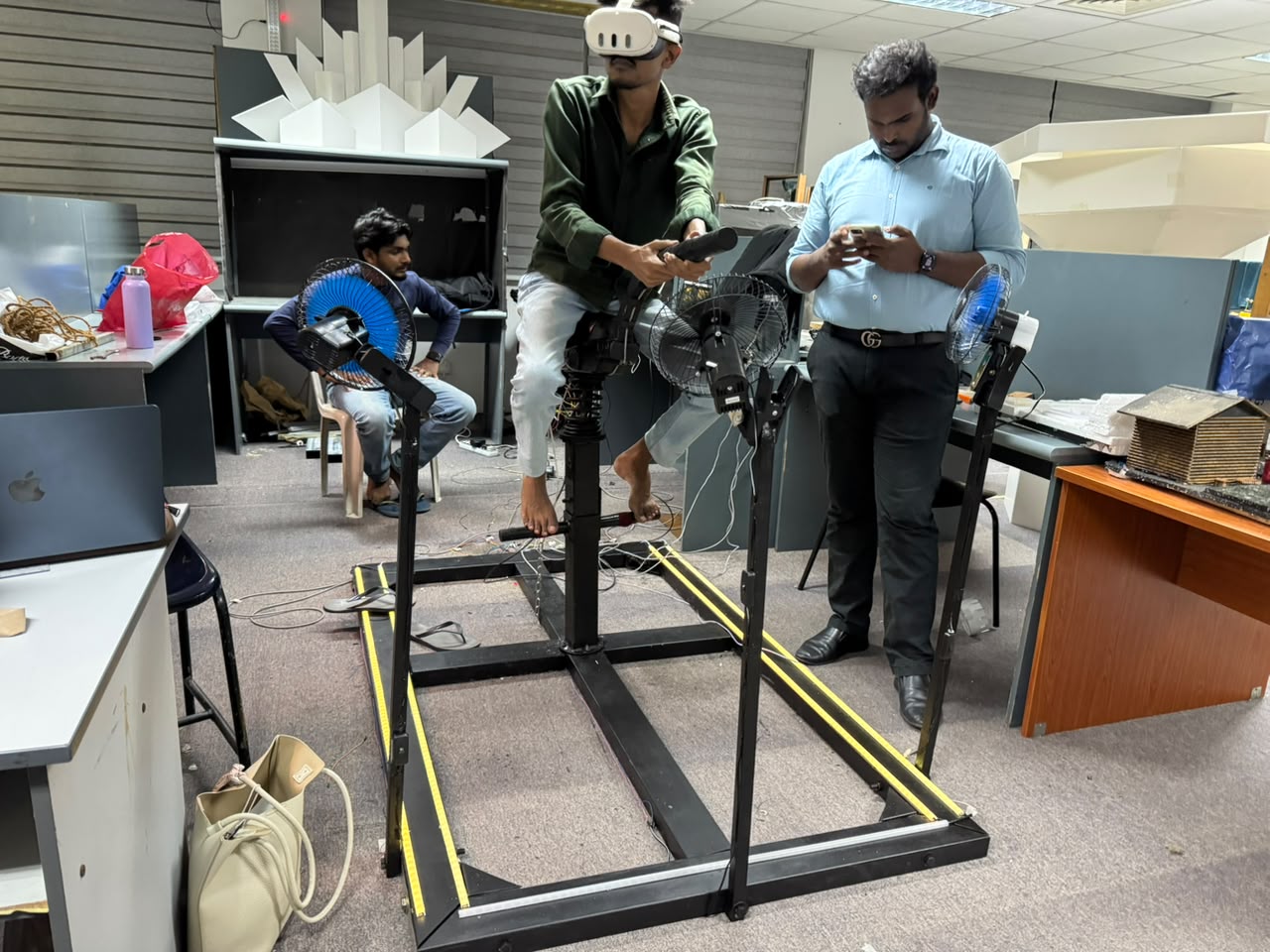
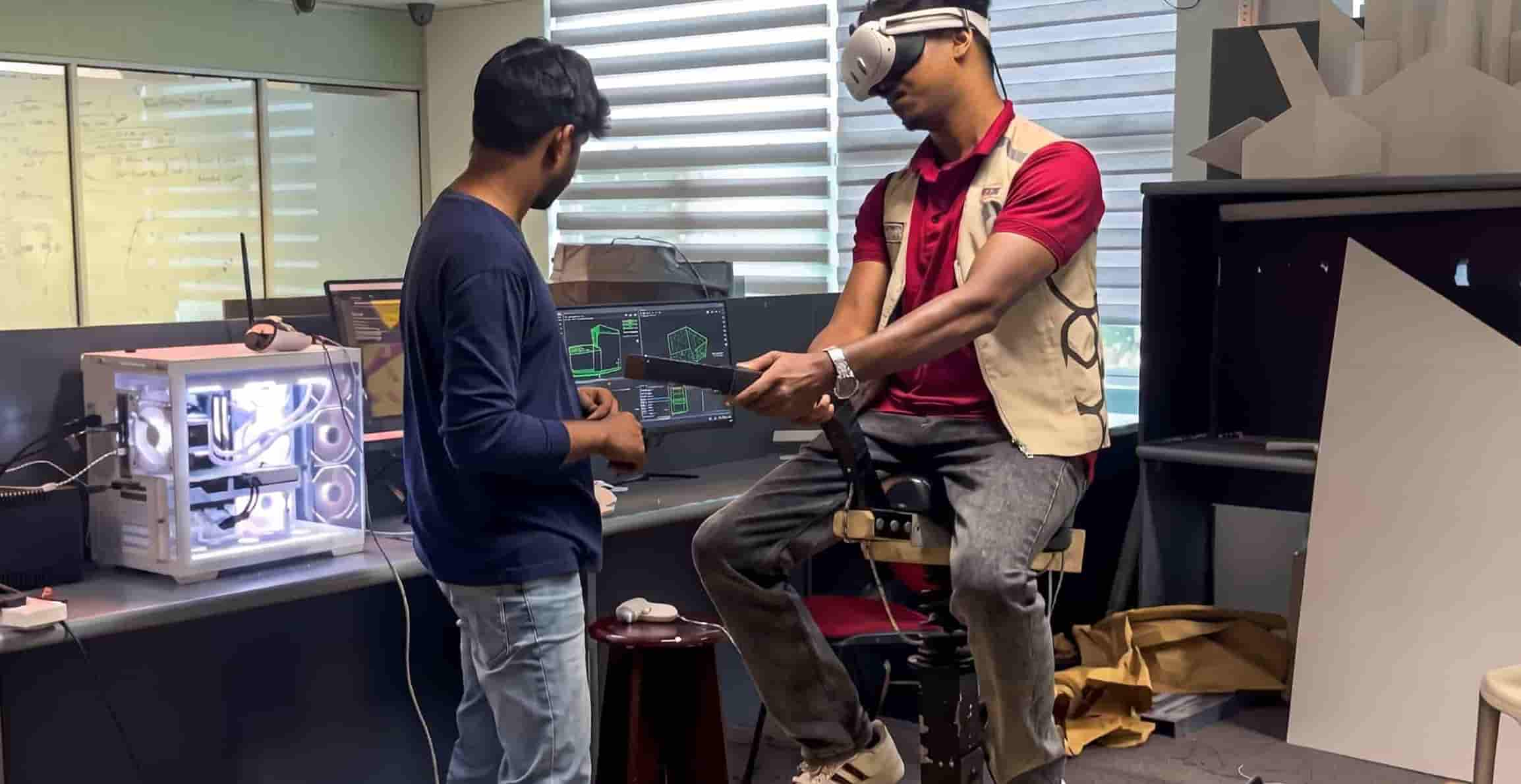
Synchronises in-headset VR events dynamically in order to enhance audience engagement and spectator psychology.
Traditional virtual reality applications focus exclusively on the player inside the headset, creating a passive or detached experience for anyone watching from the outside.
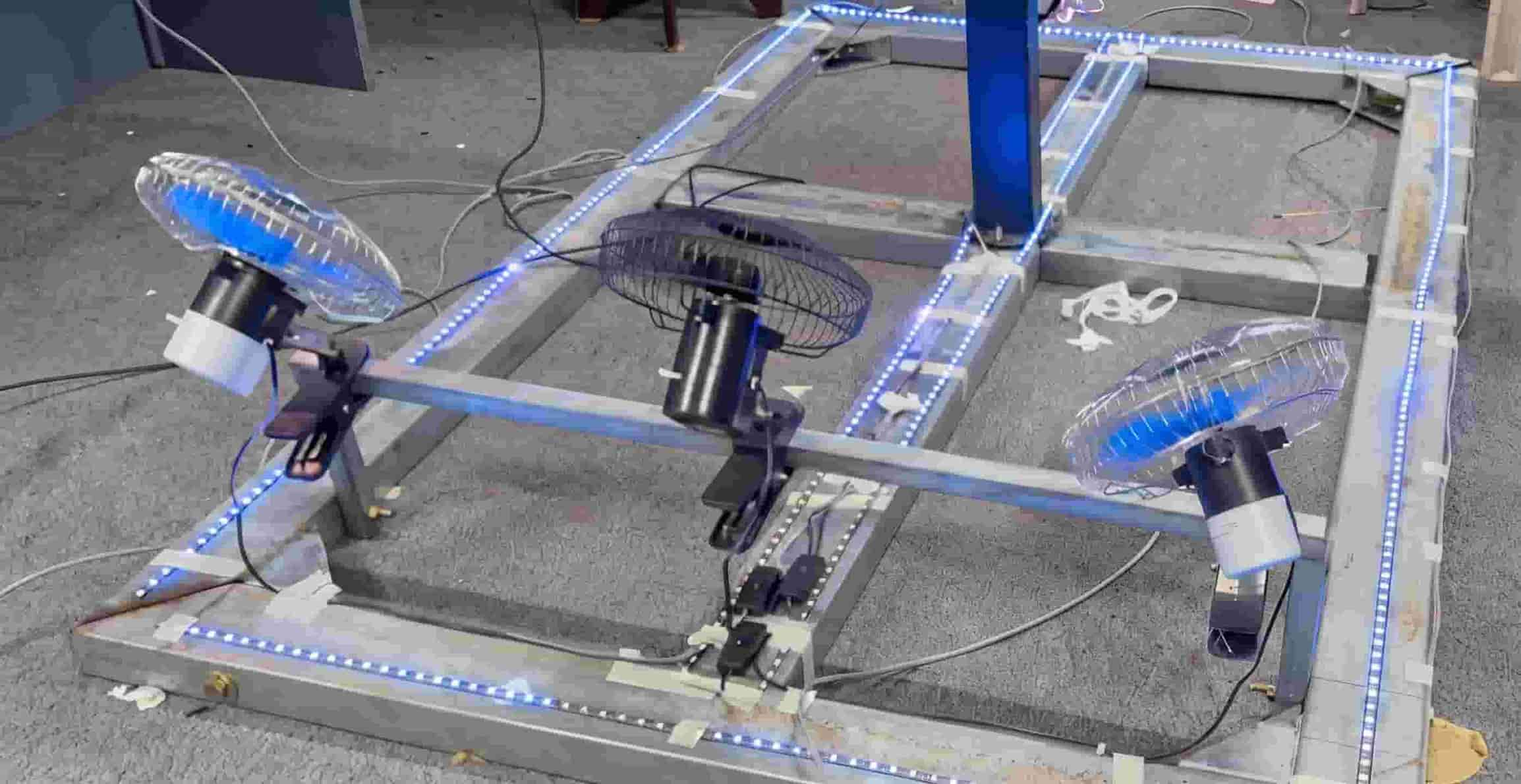
To bridge this gap, the spectator engagement component extracts real-time gameplay states and maps them onto an external lighting setup. By synchronizing visual cues with hidden in-headset actions, spectators can intuitively follow the narrative, track user progress, and share in the excitement of the simulation.
The core architecture uses structured event-driven patterns rather than random decorative lighting to maintain clear visual communication. Evaluated through spectator user feedback and high approval ratings, the system successfully boosts audience interest and encourages higher participation intent in commercial VR environments.